Buy mtume.com ?
We are moving the project
mtume.com .
Are you interested in purchasing the domain
mtume.com ?
domain@kv-gmbh.de · 0541-91531010
Buy mtume.com ?
What are sigma and pi bonds in chemistry?
In chemistry, sigma and pi bonds are types of covalent bonds that hold atoms together in a molecule. A sigma bond is formed by the direct overlap of atomic orbitals, allowing for the free rotation of atoms around the bond axis. On the other hand, a pi bond is formed by the side-to-side overlap of p orbitals, which restricts the rotation of atoms around the bond axis. Both types of bonds are important for understanding the structure and properties of molecules. **
What are the differences between covalent bonds, metallic bonds, and ionic bonds?
Covalent bonds are formed when two atoms share electrons, resulting in a strong bond between the atoms. Metallic bonds occur between metal atoms, where the electrons are delocalized and free to move throughout the structure, creating a strong bond. Ionic bonds are formed between a metal and a nonmetal, where one atom transfers electrons to the other, resulting in the formation of positively and negatively charged ions that are attracted to each other. Overall, covalent bonds involve electron sharing, metallic bonds involve electron delocalization, and ionic bonds involve electron transfer. **


Similar search terms for Pi-bonds
Top-Angebote
Products related to Pi-bonds:
-
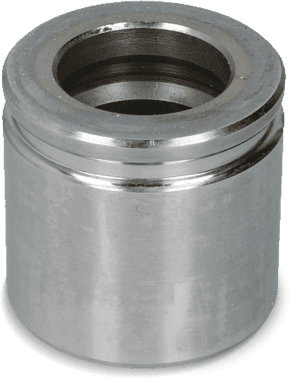
BREMBO F PI 107 Stempel, bremsekaliperMateriale: Stål; Højde: 58; Stempeldiameter [mm]: 46; Monteringsside: venstre foraksel, højre foraksel, foraksel; Køretøjstype: Ducato 35, Ducato 40, Ducato 33, HEAVY, LIGHT, Jumper, Relay, Ducato 30, YBAHM, YCAHN, YCAHP, YDAHP, YDAHN; Køretøjsudstyrsserie/-variant: HVDTY, LDTY, HEAVY, LIGHT; Bremsesystem: BREMBO; til modelkode: Ducato 35, Relay, Ducato 40, Jumper; Byggeår til: 02/2014, 07/2014, 04/2020, 06/2011, 12/2011, 12/2012, 04/2012, 05/2011, 03/2011, 04/2011, 10/2023; Byggeår fra: 03/2014, 06/2011, 07/2011, 03/2009, 07/2006, 10/2006, 02/2007, 01/2007, 12/2009, 07/2010, 06/2016, 04/2016, 05/2014; Nyttelast [kg]: 3500, 1700, 4000, 2000, 1600, 3300; Hjulafstand: mellem hjulafstand, kort hjulafstand; gearkassetype, (man./aut.): 6-trins manuel gear; Udstyrskode: LL0, LL1; Nyttelast: til forøget nyttelast118,99 DKK*Shipping: 79,00 DKKSecure redirect to the provider
-
BREMBO F PI 109 Stempel, bremsekaliperMateriale: Stål; Højde: 58; Stempeldiameter [mm]: 52; Monteringsside: venstre foraksel, højre foraksel, foraksel, bagaksel; Køretøjstype: Ducato 35, Ducato 40, Ducato 33, HEAVY, LIGHT, Jumper, Relay, Ducato 30, YBAHM, YCAHN, YCAHP, YDAHP, YDAHN; Køretøjsudstyrsserie/-variant: HVDTY, LDTY, HEAVY, LIGHT; Bremsesystem: BREMBO; til modelkode: Ducato 35, Relay, Ducato 40, Jumper; Byggeår til: 02/2014, 07/2014, 04/2020, 12/2011, 06/2011, 12/2012, 04/2012, 05/2011, 03/2011, 04/2011, 10/2023; Byggeår fra: 03/2014, 06/2011, 07/2011, 03/2009, 07/2006, 10/2006, 02/2007, 01/2007, 12/2009, 07/2010, 06/2016, 04/2016, 05/2014; Nyttelast [kg]: 3500, 1700, 4000, 2000, 1600, 3300; Hjulafstand: mellem hjulafstand, kort hjulafstand; gearkassetype, (man./aut.): 6-trins manuel gear; Udstyrskode: LL0, LL1; Nyttelast: til forøget nyttelast; Køretøjstilbehør: til køretøjer uden elektrisk parkeringsbremse; til specialudstyrskode: IT4131,99 DKK*Shipping: 79,00 DKKSecure redirect to the provider
-
BREMBO F PI 110 Stempel, bremsekaliperMateriale: Stål; Højde: 63; Stempeldiameter [mm]: 44; Monteringsside: foraksel, bagaksel; Bremsesystem: WABCO, PERROT/WABCO, PERROT; Byggeår til: 08/2000, 11/2001, 05/1999, 05/2003, 01/2002, 04/2001, 07/2001, 04/2000; Byggeår fra: 04/1995, 12/1996, 01/1997, 04/2000, 01/2004, 08/2002, 06/1997; Køretøjstype: LT 46; Dæk montering: til enkelthjul, til tvillingehjul; til specialudstyrskode: 50401569, 50401503, 50401556, 504015/504015 03, 504015 50/504015 56, 504015/504015 69, 504015 56, 504015 03/504015 50, 504015 69; Stelnummer (VIN) til: R337626; Akselnummer: 730409131,99 DKK*Shipping: 79,00 DKKSecure redirect to the provider
-
BREMBO F PI 126 Stempel, bremsekaliperMateriale: Stål; Højde: 49; Stempeldiameter [mm]: 52; Monteringsside: foraksel; Byggeår fra: 04/2008, 01/2002, 03/2006, 06/2006, 05/2003, 07/2010, 10/2008, 01/2005; Byggeår til: 05/2014, 12/2011, 12/2012, 12/2002, 10/2001, 05/2005, 12/2004, 10/2006, 01/2007, 05/2013, 05/2006, 05/2008; Bremsesystem: DAC; Køretøjstype: Lanos, Sens, Kalos, Aveo; Fælgstørrelse [tommer]: 14159,99 DKK*Shipping: 79,00 DKKSecure redirect to the provider


-
Do CO bonds form with other CO bonds?
No, CO bonds do not typically form with other CO bonds. Carbon monoxide (CO) is a stable molecule with a triple bond between the carbon and oxygen atoms. This triple bond is strong and does not readily form additional bonds with other CO molecules. Instead, CO molecules tend to interact with other types of molecules through various types of chemical reactions. **
-
Why are intermolecular bonds weaker than electron pair bonds?
Intermolecular bonds are weaker than electron pair bonds because they involve interactions between molecules rather than within a single molecule. In intermolecular bonds, the attractive forces between molecules are generally weaker than the covalent bonds that hold atoms together within a molecule. Additionally, intermolecular bonds are typically temporary and can be easily broken, whereas electron pair bonds are strong and stable. Overall, the weaker nature of intermolecular bonds allows molecules to move and interact with each other more freely. **
-
Why are intermolecular bonds generally weaker than covalent bonds?
Intermolecular bonds are generally weaker than covalent bonds because they involve interactions between molecules rather than within a single molecule. Covalent bonds involve the sharing of electrons between atoms, creating strong bonds within a molecule. In contrast, intermolecular bonds, such as hydrogen bonds or van der Waals forces, are weaker because they are based on temporary interactions between molecules, which can be easily broken. Additionally, intermolecular bonds are influenced by factors such as distance and orientation, further contributing to their weaker nature compared to covalent bonds. **
-
Why are intermolecular bonds typically weaker than covalent bonds?
Intermolecular bonds are typically weaker than covalent bonds because they involve interactions between molecules rather than within a single molecule. In intermolecular bonds, the attractive forces between molecules, such as van der Waals forces or hydrogen bonding, are weaker than the strong sharing of electrons in covalent bonds. Additionally, intermolecular bonds are more easily broken or disrupted by changes in temperature or pressure, leading to lower bond energies compared to covalent bonds. **

Why are triple bonds shorter than single or double bonds?
Triple bonds are shorter than single or double bonds because they involve the sharing of more electron pairs between the bonded atoms. In a triple bond, there are three pairs of electrons being shared, leading to a stronger attraction between the atoms and a shorter bond length. This increased electron density and stronger attraction results in a shorter distance between the nuclei of the bonded atoms, making triple bonds shorter than single or double bonds. **
What is the difference between ionic bonds and covalent bonds?
Ionic bonds form between two atoms when one atom transfers one or more electrons to another atom. This results in the formation of positively charged ions (cations) and negatively charged ions (anions) that are attracted to each other. Covalent bonds, on the other hand, form when two atoms share one or more pairs of electrons. This sharing of electrons creates a strong bond between the atoms. In summary, ionic bonds involve the transfer of electrons, while covalent bonds involve the sharing of electrons. **
Top-Angebote
Products related to Pi-bonds:
-
BREMBO F PI 100 Stempel, bremsekaliperMateriale: Stål; Højde: 53; Stempeldiameter [mm]: 48; Monteringsside: bagaksel; Dæk montering: til enkelthjul; Bremsesystem: BREMBO; Byggeår fra: 08/2012, 10/2012, 07/2015, 07/2014, 03/2013, 03/2020, 09/2016, 11/2020; Køretøjstype: Master T38, Master T30, Master T35, Master T45, Master T33, Master T31171,99 DKK*Shipping: 79,00 DKKSecure redirect to the provider
-
BREMBO F PI 102 Stempel, bremsekaliperMateriale: Stål; Højde: 53; Stempeldiameter [mm]: 40; Monteringsside: foraksel, venstre foraksel, bagaksel; Byggeår fra: 01/1986, 01/1988, 08/1992, 07/1993, 06/1994, 11/1994, 04/2010, 05/2010, 09/1997, 11/1997, 10/1998, 03/1995, 05/1998, 06/1996, 01/2005, 07/1996, 12/1998, 03/2002, 08/2004, 09/2001, 03/2007, 08/2006, 06/2009, 01/2006, 03/2009; Bremsesystem: GIRLING, LUCAS, TRW; Byggeår til: 07/1994, 05/1996, 07/1992, 11/2001, 08/1998, 04/1998, 09/2001, 10/1998, 08/1997, 10/1997, 01/2002, 08/1996, 11/1990, 07/1995, 09/2000, 10/2000, 12/1999, 12/1997, 12/1987, 03/2010, 12/2001, 07/2006, 08/2006, 07/2005, 12/2010; Stelnummer (VIN) fra: 8BL003001, 8B_L_003001, 8AL045363, 300001; Stelnummer (VIN) til: 8B_L_003000, 16206253; Nyttelast [kg]: 1000, 1400; Bremseskivetype: ventileret, massiv; Køretøjstype: Ducato 14, Ducato 10, Relay 1400, Jumper 27, Jumper 31, Ducato 18, Relay 1000; til modelkode: Relay 1400; Til produktionsnummer: 16206253; Bremse-/køredynamikartikler: Ikke for EDS, Ikke for ETS, Ikke for TC, Ikke for ABS; Undervogn: til køretøjer uden sportschassis; Nyttelast: ikke til forøget nyttelast; motorkode: DW10CTED4; Køretøjstilbehør: til køretøjer uden sportpakke; Bremseudstyr: til køretøjer med standardbremseanlæg121,99 DKK*Shipping: 79,00 DKKSecure redirect to the provider
-
BREMBO F PI 107 Stempel, bremsekaliperMateriale: Stål; Højde: 58; Stempeldiameter [mm]: 46; Monteringsside: venstre foraksel, højre foraksel, foraksel; Køretøjstype: Ducato 35, Ducato 40, Ducato 33, HEAVY, LIGHT, Jumper, Relay, Ducato 30, YBAHM, YCAHN, YCAHP, YDAHP, YDAHN; Køretøjsudstyrsserie/-variant: HVDTY, LDTY, HEAVY, LIGHT; Bremsesystem: BREMBO; til modelkode: Ducato 35, Relay, Ducato 40, Jumper; Byggeår til: 02/2014, 07/2014, 04/2020, 06/2011, 12/2011, 12/2012, 04/2012, 05/2011, 03/2011, 04/2011, 10/2023; Byggeår fra: 03/2014, 06/2011, 07/2011, 03/2009, 07/2006, 10/2006, 02/2007, 01/2007, 12/2009, 07/2010, 06/2016, 04/2016, 05/2014; Nyttelast [kg]: 3500, 1700, 4000, 2000, 1600, 3300; Hjulafstand: mellem hjulafstand, kort hjulafstand; gearkassetype, (man./aut.): 6-trins manuel gear; Udstyrskode: LL0, LL1; Nyttelast: til forøget nyttelast118,99 DKK*Shipping: 79,00 DKKSecure redirect to the provider
-
BREMBO F PI 109 Stempel, bremsekaliperMateriale: Stål; Højde: 58; Stempeldiameter [mm]: 52; Monteringsside: venstre foraksel, højre foraksel, foraksel, bagaksel; Køretøjstype: Ducato 35, Ducato 40, Ducato 33, HEAVY, LIGHT, Jumper, Relay, Ducato 30, YBAHM, YCAHN, YCAHP, YDAHP, YDAHN; Køretøjsudstyrsserie/-variant: HVDTY, LDTY, HEAVY, LIGHT; Bremsesystem: BREMBO; til modelkode: Ducato 35, Relay, Ducato 40, Jumper; Byggeår til: 02/2014, 07/2014, 04/2020, 12/2011, 06/2011, 12/2012, 04/2012, 05/2011, 03/2011, 04/2011, 10/2023; Byggeår fra: 03/2014, 06/2011, 07/2011, 03/2009, 07/2006, 10/2006, 02/2007, 01/2007, 12/2009, 07/2010, 06/2016, 04/2016, 05/2014; Nyttelast [kg]: 3500, 1700, 4000, 2000, 1600, 3300; Hjulafstand: mellem hjulafstand, kort hjulafstand; gearkassetype, (man./aut.): 6-trins manuel gear; Udstyrskode: LL0, LL1; Nyttelast: til forøget nyttelast; Køretøjstilbehør: til køretøjer uden elektrisk parkeringsbremse; til specialudstyrskode: IT4131,99 DKK*Shipping: 79,00 DKKSecure redirect to the provider
-
What are sigma and pi bonds in chemistry?
In chemistry, sigma and pi bonds are types of covalent bonds that hold atoms together in a molecule. A sigma bond is formed by the direct overlap of atomic orbitals, allowing for the free rotation of atoms around the bond axis. On the other hand, a pi bond is formed by the side-to-side overlap of p orbitals, which restricts the rotation of atoms around the bond axis. Both types of bonds are important for understanding the structure and properties of molecules. **
-
What are the differences between covalent bonds, metallic bonds, and ionic bonds?
Covalent bonds are formed when two atoms share electrons, resulting in a strong bond between the atoms. Metallic bonds occur between metal atoms, where the electrons are delocalized and free to move throughout the structure, creating a strong bond. Ionic bonds are formed between a metal and a nonmetal, where one atom transfers electrons to the other, resulting in the formation of positively and negatively charged ions that are attracted to each other. Overall, covalent bonds involve electron sharing, metallic bonds involve electron delocalization, and ionic bonds involve electron transfer. **
-
Do CO bonds form with other CO bonds?
No, CO bonds do not typically form with other CO bonds. Carbon monoxide (CO) is a stable molecule with a triple bond between the carbon and oxygen atoms. This triple bond is strong and does not readily form additional bonds with other CO molecules. Instead, CO molecules tend to interact with other types of molecules through various types of chemical reactions. **
-
Why are intermolecular bonds weaker than electron pair bonds?
Intermolecular bonds are weaker than electron pair bonds because they involve interactions between molecules rather than within a single molecule. In intermolecular bonds, the attractive forces between molecules are generally weaker than the covalent bonds that hold atoms together within a molecule. Additionally, intermolecular bonds are typically temporary and can be easily broken, whereas electron pair bonds are strong and stable. Overall, the weaker nature of intermolecular bonds allows molecules to move and interact with each other more freely. **
Similar search terms for Pi-bonds
-
BREMBO F PI 110 Stempel, bremsekaliperMateriale: Stål; Højde: 63; Stempeldiameter [mm]: 44; Monteringsside: foraksel, bagaksel; Bremsesystem: WABCO, PERROT/WABCO, PERROT; Byggeår til: 08/2000, 11/2001, 05/1999, 05/2003, 01/2002, 04/2001, 07/2001, 04/2000; Byggeår fra: 04/1995, 12/1996, 01/1997, 04/2000, 01/2004, 08/2002, 06/1997; Køretøjstype: LT 46; Dæk montering: til enkelthjul, til tvillingehjul; til specialudstyrskode: 50401569, 50401503, 50401556, 504015/504015 03, 504015 50/504015 56, 504015/504015 69, 504015 56, 504015 03/504015 50, 504015 69; Stelnummer (VIN) til: R337626; Akselnummer: 730409131,99 DKK*Shipping: 79,00 DKKSecure redirect to the provider
-
BREMBO F PI 126 Stempel, bremsekaliperMateriale: Stål; Højde: 49; Stempeldiameter [mm]: 52; Monteringsside: foraksel; Byggeår fra: 04/2008, 01/2002, 03/2006, 06/2006, 05/2003, 07/2010, 10/2008, 01/2005; Byggeår til: 05/2014, 12/2011, 12/2012, 12/2002, 10/2001, 05/2005, 12/2004, 10/2006, 01/2007, 05/2013, 05/2006, 05/2008; Bremsesystem: DAC; Køretøjstype: Lanos, Sens, Kalos, Aveo; Fælgstørrelse [tommer]: 14159,99 DKK*Shipping: 79,00 DKKSecure redirect to the provider
-
BREMBO F PI 139 Stempel, bremsekaliperMateriale: Stål; Højde: 53; Stempeldiameter [mm]: 66; Monteringsside: foraksel, venstre foraksel, højre foraksel; Bremsesystem: TRW; Undervogn: til køretøjer uden forstærket chassis, til køretøjer med forstærket chassis; Køretøjsudstyrsserie/-variant: HEAVY DUTY; Bremse-/køredynamikartikler: for ABS; Udstyrskode: BRF, BR6, BRY, BRE, BRW; Byggeår til: 08/2012, 12/2008, 09/2007, 12/2013, 04/2012, 12/2012, 03/2013, 12/2010, 12/2011; Køretøjstype: Liberty, Cherokee, Grand Voyager, Town & Country, BRE; Byggeår fra: 01/2010, 01/2007, 10/2007, 05/2008, 01/2011, 01/2008233,99 DKK*Shipping: 79,00 DKKSecure redirect to the provider
-
BREMBO F PI 149 Stempel, bremsekaliperMateriale: Stål; Højde: 58; Stempeldiameter [mm]: 48; Monteringsside: foraksel, venstre foraksel, højre foraksel; Byggeår til: 10/1998, 08/1997, 10/1997, 01/2002, 08/1996, 10/2000, 09/2001, 12/2011, 09/2000, 06/2011, 12/2012, 04/2012, 05/2011, 05/2012, 10/2004, 03/2011, 10/2023; Bremseskivetype: ventileret; Bremsesystem: BREMBO; Stelnummer (VIN) fra: 16206254; Køretøjstype: Relay 1400, Jumper 27, Jumper 31, Ducato 30, Ducato 33, Ducato 14, Jumper, Relay, Relay 1000, Ducato 15, Ducato 11, Ducato 28, YAAHM, YAAHN; Nyttelast [kg]: 1400, 3000, 3300, 1000, 1200; til organisationsnummer fra: 16206254; Byggeår fra: 09/1997, 11/1997, 03/1995, 05/1998, 02/2001, 03/2001, 04/2002, 05/2002, 03/2009, 07/2006, 10/2006, 05/2019, 02/2007, 01/2007, 12/2009, 03/2014, 06/2011, 07/2010, 06/2016, 04/2016, 05/2014; til modelkode: Relay 1400, Relay, Ducato 30; Fra produktionsnummer: 16206254; Bremse-/køredynamikartikler: Ikke for ABS, for ABS; Stelnummer (VIN) til: 17292797; gearkassetype, (man./aut.): 6-trins manuel gear155,99 DKK*Shipping: 79,00 DKKSecure redirect to the provider
-
Why are intermolecular bonds generally weaker than covalent bonds?
Intermolecular bonds are generally weaker than covalent bonds because they involve interactions between molecules rather than within a single molecule. Covalent bonds involve the sharing of electrons between atoms, creating strong bonds within a molecule. In contrast, intermolecular bonds, such as hydrogen bonds or van der Waals forces, are weaker because they are based on temporary interactions between molecules, which can be easily broken. Additionally, intermolecular bonds are influenced by factors such as distance and orientation, further contributing to their weaker nature compared to covalent bonds. **
-
Why are intermolecular bonds typically weaker than covalent bonds?
Intermolecular bonds are typically weaker than covalent bonds because they involve interactions between molecules rather than within a single molecule. In intermolecular bonds, the attractive forces between molecules, such as van der Waals forces or hydrogen bonding, are weaker than the strong sharing of electrons in covalent bonds. Additionally, intermolecular bonds are more easily broken or disrupted by changes in temperature or pressure, leading to lower bond energies compared to covalent bonds. **
-
Why are triple bonds shorter than single or double bonds?
Triple bonds are shorter than single or double bonds because they involve the sharing of more electron pairs between the bonded atoms. In a triple bond, there are three pairs of electrons being shared, leading to a stronger attraction between the atoms and a shorter bond length. This increased electron density and stronger attraction results in a shorter distance between the nuclei of the bonded atoms, making triple bonds shorter than single or double bonds. **
-
What is the difference between ionic bonds and covalent bonds?
Ionic bonds form between two atoms when one atom transfers one or more electrons to another atom. This results in the formation of positively charged ions (cations) and negatively charged ions (anions) that are attracted to each other. Covalent bonds, on the other hand, form when two atoms share one or more pairs of electrons. This sharing of electrons creates a strong bond between the atoms. In summary, ionic bonds involve the transfer of electrons, while covalent bonds involve the sharing of electrons. **
* All prices are inclusive of VAT and, if applicable, plus shipping costs. The offer information is based on the details provided by the respective shop and is updated through automated processes. Real-time updates do not occur, so deviations can occur in individual cases. ** Note: Parts of this content were created by AI.